The Quiet Revolution in Sustainable Computing: Silicon, Heat, and the Limits of Scaling
Inside the underground subterranean facilities where low-power microarchitectures and district thermal reclamation are quietly redefining data center physics.

Chief Technology Correspondent
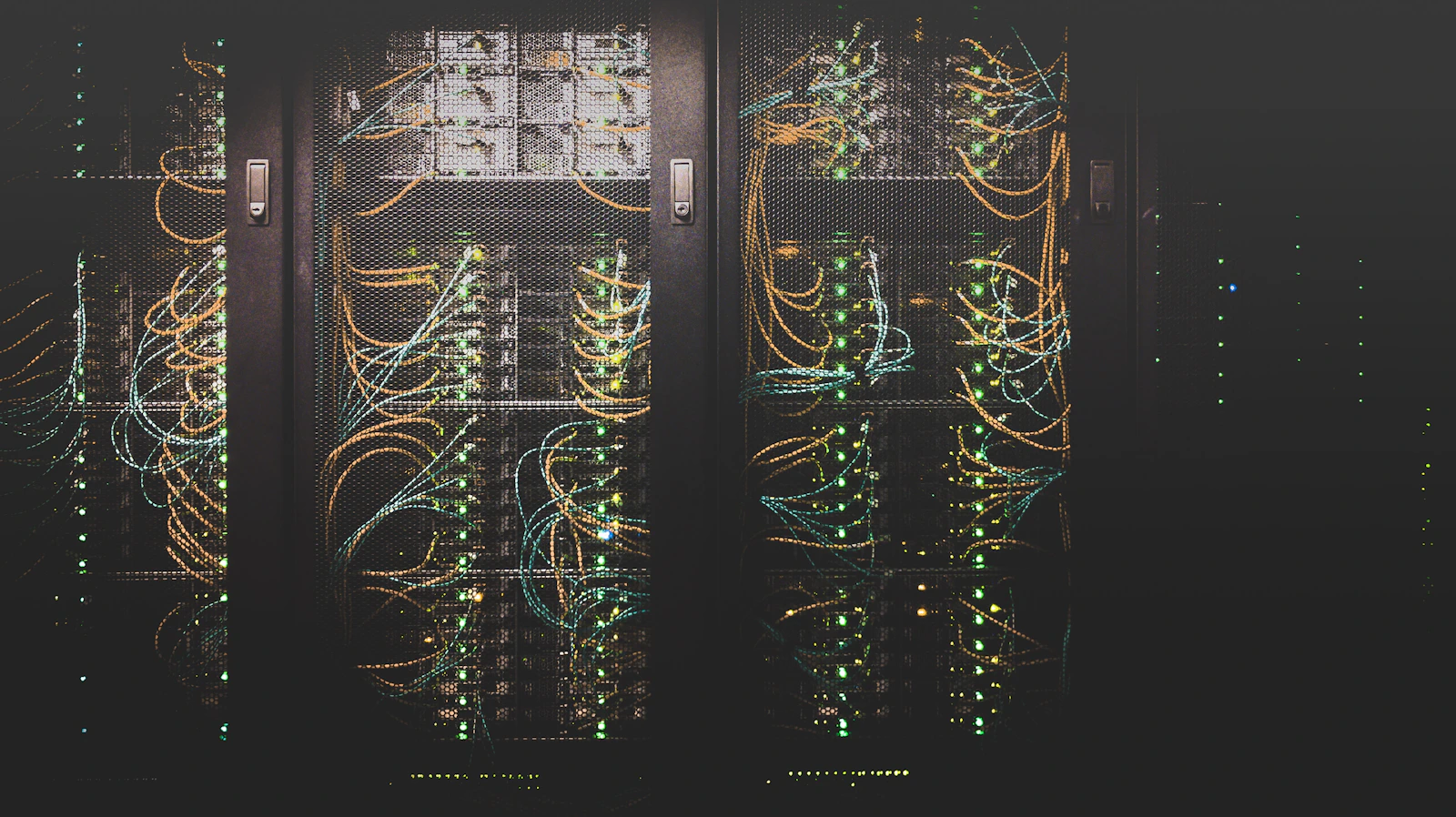
For decades, the computational capacity of human civilization scaled under the benevolent umbrella of Moore’s Law: transistors doubled with clockwork regularity, power envelopes remained relatively docile, and thermal exhaust was treated as an afterthought in municipal zoning.
That era has decisively closed. As generative workloads and foundation model inference consume double-digit shares of urban electrical grids, the engineering community is confronting an uncompromising thermodynamic ceiling.
The Thermal Paradox
The modern compute engine is less an electronic brain than a high-temperature metallurgical radiator. For every kilowatt-hour channeled into silicon calculation, an equivalent quantum of heat must be expelled from the chassis. In traditional installations, this extraction accounted for up to forty percent of aggregate power draw.
“We are no longer designing algorithms in the abstract; we are negotiating with the third law of thermodynamics for every floating-point operation.”
Engineers in the Nordic region and Pacific Northwest are pioneering three radical departures from conventional architectural norms:
- Immersion Phase-Change Cooling: Submerging dielectric servers in engineered synthetic hydrocarbons, eliminating evaporative cooling towers and mechanical chillers altogether.
- District Municipal Heating Integration: Feeding high-grade exhaust water directly into residential district heating systems, turning computation centers into thermal utilities for thousands of households.
- Specialized Asynchronous ASICs: Abandoning monolithic high-clock generalist chips in favor of ultra-sparse sparse-matrix processors that sleep at nanosecond granularities when idle.
Software Discipline Returns
Perhaps the most heartening consequence of this physical constraint is the return of disciplined software engineering. The historical luxury of careless memory bloat and unoptimized runtime layers is swiftly vanishing under carbon-budgeted cloud metering.
Developers are once again profiling instruction pipelines, stripping redundant telemetry overhead, and writing lean native runtimes. Computation, having touched the physical bounds of earth’s grid, is learning the forgotten art of frugality.
About Marcus Vance
Chief Technology Correspondent
Investigating the intersection of computational power, open source protocols, and digital civil liberties.
Follow on Twitter / X: @marcus_vance_tech